 11, Nov
How to Choose a Cloud Mining Plan?
How to Choose a Cloud Mining Plan
Choosing a cloud mining plan can seem simple when you only look at the advertised price or amount of computing power. However, there are several important details that should be reviewed before selecting a plan.
Cloud mining services can differ significantly in their contract duration, hashrate, fees, supported cryptocurrencies, withdrawal conditions, and operating arrangements. Understanding these differences can help users make a more informed decision.
Start by Understanding What the Plan Includes
Before comparing prices, understand exactly what you are purchasing.
A cloud mining plan generally provides access to a specified amount of computing power for a particular period or under particular service conditions. The plan should clearly explain the amount of hashrate, the supported cryptocurrency, contract duration, applicable fees, and how mining rewards are calculated.
If these details are difficult to find, ask the provider for clarification before proceeding.
Compare Hashrate
Hashrate is one of the most important technical specifications in a mining plan.
It represents the computational power assigned to the mining process. Different mining algorithms and cryptocurrencies use different measurements, so it is important to understand the unit being displayed.
A higher hashrate does not automatically mean a higher financial return. Mining difficulty, cryptocurrency prices, operating costs, pool performance, and service fees can all affect the eventual outcome.
For that reason, hashrate should be considered together with the other terms of the plan.
Check the Contract Duration
Cloud mining plans may have different contract periods.
Some services may offer short-term plans, while others may operate over longer periods. A longer contract can mean a longer commitment, so users should understand the conditions before purchasing.
Check:
Start and end dates
Whether the contract automatically expires
Whether extensions are available
Whether cancellation is possible
What happens when the contract ends
Whether the hashrate remains active for the entire stated period
Never assume that every cloud mining contract works in the same way.
Understand All Fees
The advertised plan price is not necessarily the total cost.
Depending on the service, additional charges may include maintenance, electricity, mining pool, platform, or withdrawal fees.
Before choosing a plan, calculate the complete cost and determine how each fee affects the mining rewards.
A transparent provider should make its fee structure easy to understand.
Look at the Reward Calculation
It is important to understand how mining rewards are calculated rather than relying only on an estimated figure displayed on a website.
Mining output can change because of network difficulty, block rewards, cryptocurrency prices, mining pool performance, and other network conditions.
If a provider displays estimated mining results, treat them as estimates rather than guaranteed outcomes.
Review Withdrawal Conditions
Withdrawal rules can be just as important as the mining plan itself.
Check the minimum withdrawal amount, supported withdrawal methods, processing times, network fees, and any restrictions that may apply.
You should also understand whether mining rewards are credited automatically or whether you need to request a withdrawal manually.
Clear withdrawal information helps users understand how the service operates before committing funds.
Consider the Cryptocurrency Being Mined
Different cryptocurrencies have different mining algorithms, network conditions, market characteristics, and hardware requirements.
Before choosing a plan, understand which cryptocurrency is being mined and why the provider supports it.
The market value of a cryptocurrency can change substantially. Therefore, receiving a certain amount of cryptocurrency does not guarantee that it will maintain the same value in another currency.
Examine the Mining Infrastructure
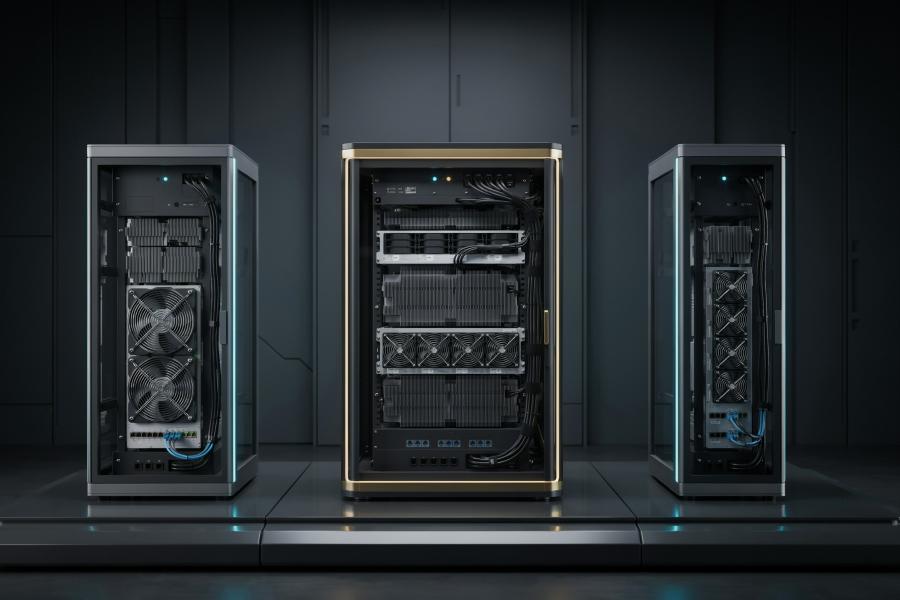
A professional cloud mining provider should be able to explain the general infrastructure supporting its service.
Depending on the provider, this may include information about mining hardware, data-center operations, cooling systems, electricity infrastructure, and mining pools.
Users do not necessarily need to understand every technical detail, but basic transparency can help distinguish a clearly explained service from one that provides little information about its operations.
Evaluate Provider Transparency
The company behind the mining service matters.
Before choosing a plan, look for clear information about the business, its services, customer support, terms and conditions, fees, and operating policies.
Be cautious when a website relies heavily on unrealistic claims such as guaranteed profits, risk-free returns, or unusually high fixed earnings.
Cryptocurrency mining is affected by changing market and network conditions, so responsible services should communicate those risks clearly.
Don't Choose a Plan Based Only on Price
A low-cost plan may look attractive at first, but price alone does not tell you whether it is suitable.
Compare the complete structure of each option:
Plan Cost + Hashrate + Contract Period + Fees + Mining Conditions + Withdrawal Rules
Two plans with similar prices can have very different terms.
A better comparison focuses on what the customer actually receives and what responsibilities or costs are associated with the service.
Think About Your Risk Tolerance
Cloud mining involves uncertainty.
Cryptocurrency prices can rise or fall, mining difficulty can change, and operational conditions can affect mining output. There is also provider risk because the customer depends on another company to operate the mining infrastructure.
Before purchasing a plan, consider how much money you are comfortable committing and whether you understand the potential downside.
Never commit money that you cannot afford to lose simply because a mining plan appears attractive.
Questions to Ask Before Choosing a Plan
A simple checklist can make the comparison easier.
Before proceeding, ask:
How much hashrate does the plan provide?
How long does the contract last?
What cryptocurrency is being mined?
Are maintenance or electricity fees charged?
Are there mining pool fees?
What is the minimum withdrawal amount?
How are mining rewards calculated?
Can mining conditions affect the estimated output?
What happens when the contract expires?
Where can I find the complete terms and conditions?
If important questions cannot be answered clearly, consider that a reason to investigate further.
A Simple Comparison Method
You can create a basic table when comparing different cloud mining plans.
Record the:
Total plan cost
Hashrate
Contract duration
Maintenance fees
Other charges
Minimum withdrawal
Supported cryptocurrency
Reward calculation method
Contract expiration conditions
This makes it easier to compare plans based on their complete terms rather than their headline price.
Transparency Is More Important Than Promises
A trustworthy cloud mining service should explain both the potential benefits and the risks.
Mining is a technical activity influenced by factors outside the control of any individual customer or provider. No legitimate evaluation should assume that market prices, mining difficulty, or mining output will remain constant.
The more clearly a service explains its infrastructure, pricing, fees, contracts, and limitations, the easier it is for customers to understand what they are actually purchasing.
Final Thoughts
Choosing a cloud mining plan requires more than selecting the cheapest option or the highest advertised hashrate.
Look at the complete picture: hashrate, contract duration, fees, cryptocurrency, reward calculation, withdrawal conditions, infrastructure, and provider transparency.
Most importantly, remember that cloud mining is not a guaranteed source of income. Cryptocurrency markets and mining conditions can change, and actual results may differ from estimates.
Taking time to understand the plan before committing can help you make a more informed and responsible decision.
Share On
Latest Blog

Cloud Mining FAQ: 15 Questions Beginners...
11 November, 2022
How to Start With Cloud Mining: A Beginn...
11 November, 2022
Crypto Mining Risks: What Every Beginner...
11 November, 2022
Understanding Hashrate, Mining Difficult...
11 November, 2022